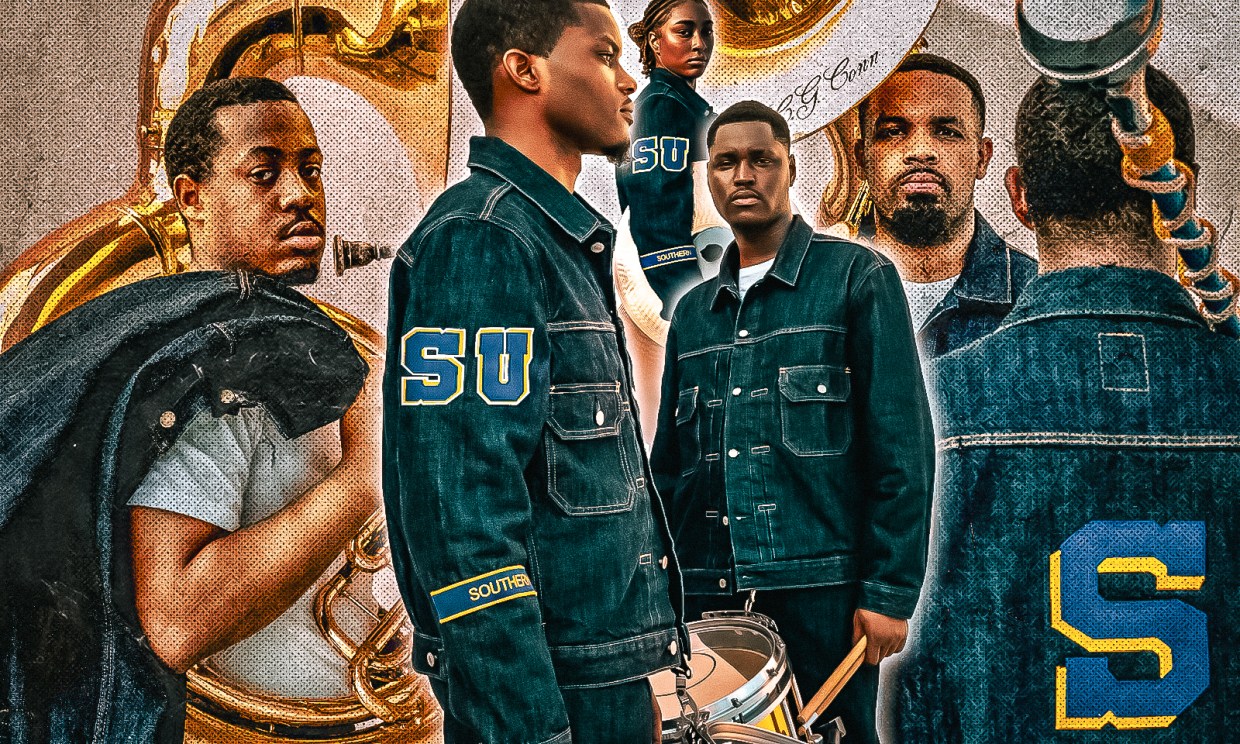
Southern University's Human Jukebox marching band has stepped into the national spotlight as the featured stars of Gap's latest denim campaign. The partnership marks another moment of cultural recognition for one of higher education's most celebrated musical ensembles, bringing HBCU artistry directly into mainstream consumer marketing.
The Human Jukebox, known for its dynamic performances and distinctive sound, transformed a pop hit for the campaign while showcasing the band's signature uniforms. The collaboration demonstrates how HBCU marching bands have become cultural touchstones that resonate far beyond the yard and the football stadium.
HBCU marching bands occupy a unique space in American culture. These ensembles are more than musical groups—they are repositories of tradition, excellence, and Black cultural expression. The Human Jukebox, in particular, carries decades of Southern University pride and musical innovation. When national brands like Gap recognize and feature these bands, it signals a broader cultural moment in which HBCU traditions are being valued and amplified at scale.
The visibility that comes with a national campaign can have ripple effects. It introduces younger audiences to the artistry and precision that define HBCU band culture. It also reinforces the cultural capital that these institutions have built over generations. For prospective students, families, and alumni, such moments of mainstream recognition affirm the significance of HBCU contributions to American arts and culture.
Marching bands have long been central to the HBCU experience. They animate homecoming weekends, lead the charge at football games, and serve as ambassadors for their institutions. The Human Jukebox's appearance in a national advertising campaign extends that ambassadorial role into retail spaces and digital platforms where millions of consumers encounter the brand.
This partnership also reflects a shift in how corporations approach cultural marketing. Rather than generic representations, brands are increasingly seeking authentic cultural voices and traditions. By featuring the Human Jukebox, Gap is tapping into a well of creativity and cultural authenticity that HBCU bands have cultivated for decades.
Why this matters: HBCU marching bands are cultural institutions that deserve recognition and support. When these ensembles gain visibility through national platforms, it strengthens the case for investment in music education, arts programming, and the full student experience at historically Black colleges and universities. The Human Jukebox's appearance in Gap's campaign reminds the broader public that HBCUs are not just educational institutions—they are cultural powerhouses that shape American arts and identity. This visibility can inspire future musicians, validate the importance of arts funding at HBCUs, and demonstrate to prospective students that these institutions offer pathways to both excellence and cultural prominence.